Paradores-Based Travel
A Paradores-based journey through Spain is shaped less by a fixed route and more by a way of moving through the country.
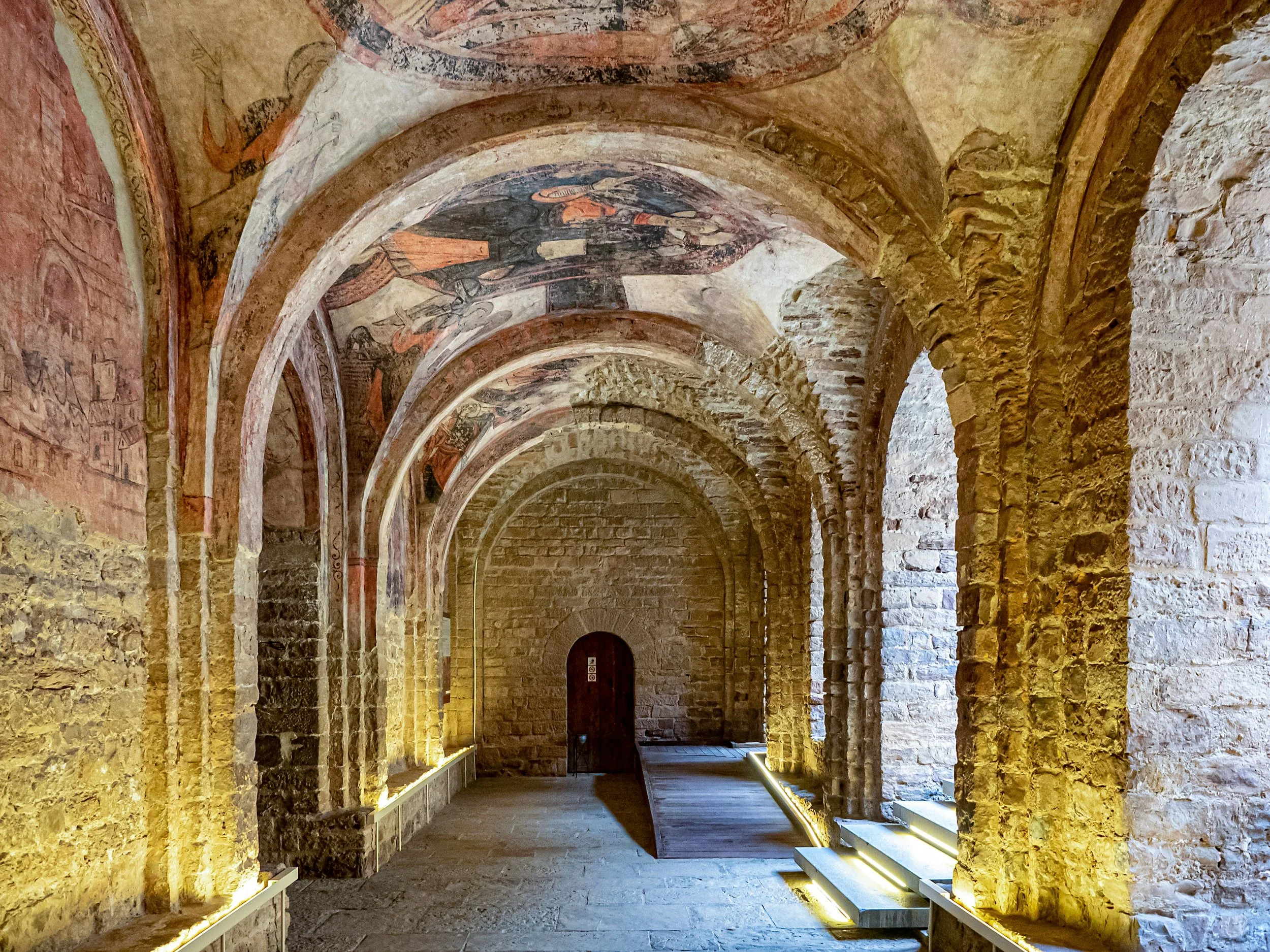
These historic hotels—set in former monasteries, castles, and palaces—create a natural framework for travel, connecting regions through landscape, distance, and culture.
Rather than moving quickly between major cities, this approach allows the experience to unfold more gradually—where each stop builds on the last, and the rhythm of the journey becomes part of the destination itself.
❋ A Route Shaped by PlaceParadores are often located in quieter towns and along less-traveled routes, which naturally guides the structure of the itinerary. Instead of choosing destinations first, the journey takes shape through the spaces in between—where distance, landscape, and setting determine the pace.
❋ A Slower, More Grounded PaceThis style of travel allows time to settle into each place—arriving in the afternoon, lingering over dinner in the Parador, where regional dishes reflect the surrounding landscape, and spending the next day exploring nearby towns.
❋ Continuity Across RegionsTraveling between Paradores creates a sense of continuity that can be difficult to replicate in more traditional itineraries. Each stop feels connected to the next, not only geographically, but through a shared sense of history, architecture, culture, and atmosphere.
Where This Approach Takes Shape
While each itinerary is different, this approach is especially well suited to regions where distance and setting allow the experience to unfold gradually.
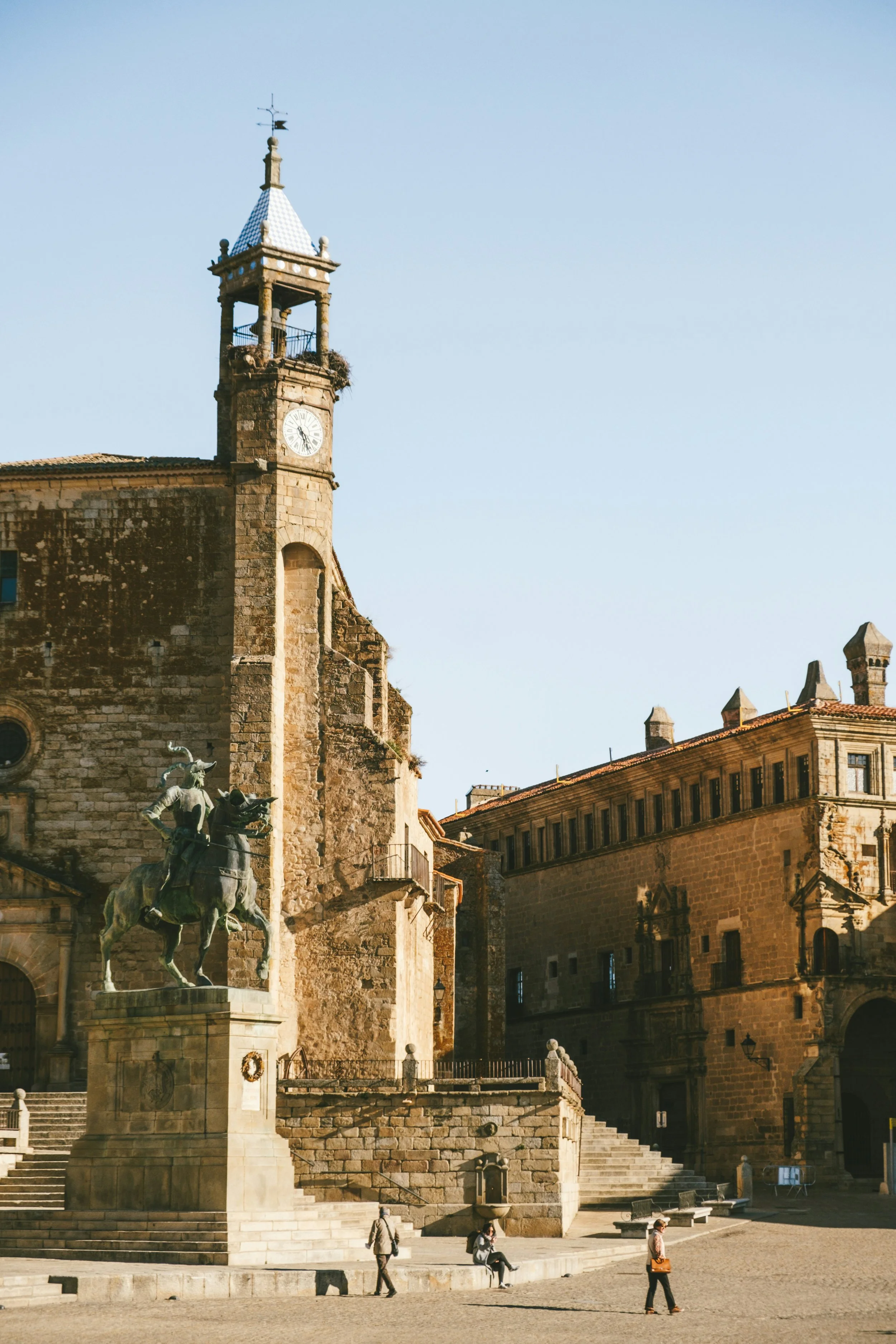
In Extremadura, for example, travel moves through historic towns and open landscapes, where Paradores serve as natural anchors for the journey.
Beyond a Single Route
This approach can be adapted across different regions of Spain, depending on the direction of travel, the time available, and the kind of experience you’re looking to create.
Planning a Paradores-Based Journey
If you're interested in designing a Spain itinerary built around Paradores, I work with you to shape a route that reflects both the places themselves and the pace in which you want to experience them.